
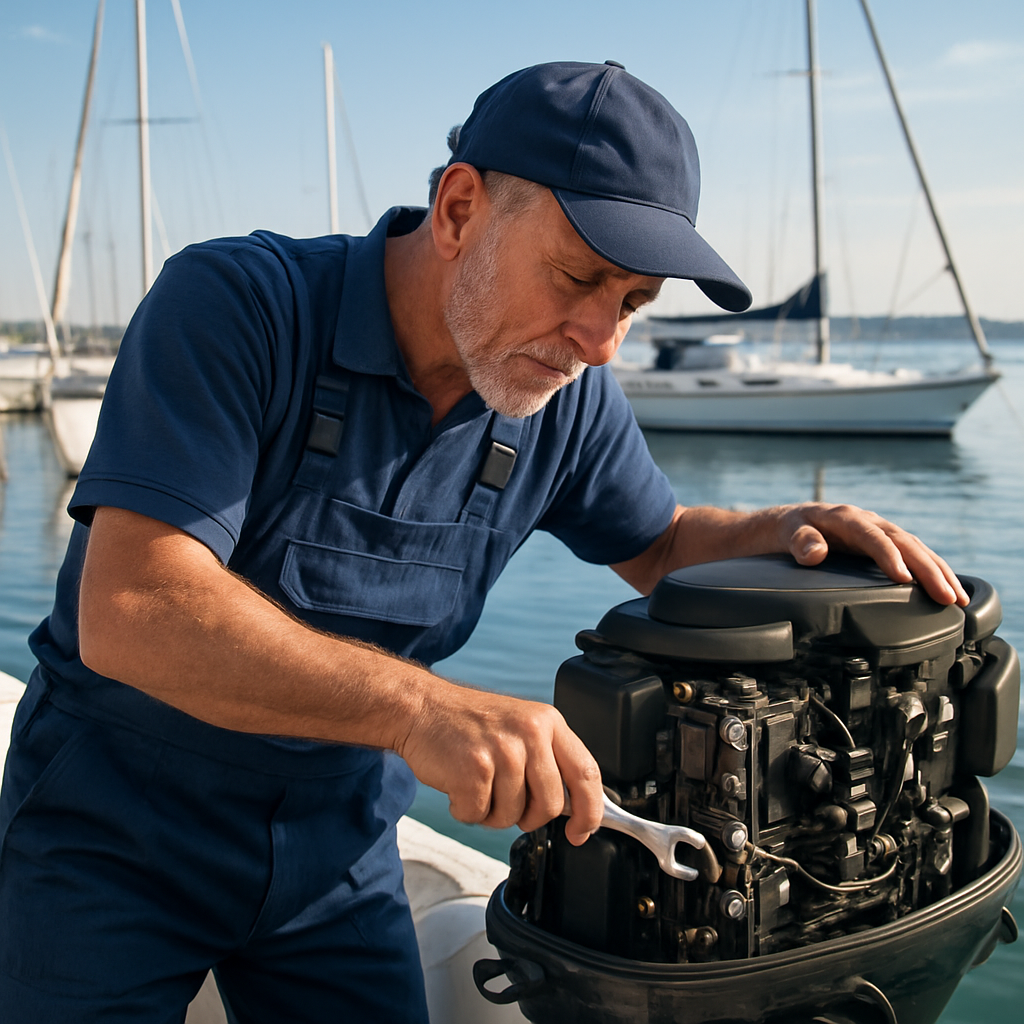
Why an Experienced Marine Mechanic is Essential
If you’ve ever faced an engine problem in the middle of the open sea, you know how quickly a relaxed outing can turn into a serious issue. A marine mechanic ensures that your yacht, motorboat, or small sailing dinghy is always ready for use. This requires not only technical skills but also experience under challenging conditions. Saltwater, extreme temperature fluctuations, and constant humidity put enormous strain on every component. A professional with in-depth know-how can identify potential weak points early—before they turn into costly damage.
At bblurestackleshop.com, through countless conversations with boat owners, I’ve learned how vital reliable maintenance and repair really are. No one wants to risk a propulsion failure or a sudden leak while out on the ocean. An experienced marine mechanic minimizes this risk by inspecting complex systems precisely and maintaining them with accuracy. In doing so, they don’t just protect your investment—they safeguard the safety of everyone on board.
Years of experience also lead to a deep understanding of the regulations and certification requirements that apply to different waters. An experienced mechanic knows the standards for emissions, noise levels, and safety equipment, ensuring your boat is always compliant and fully insurable. Proper documentation of all maintenance and repairs is also critical in making insurance claims. This saves you time and money, while giving you peace of mind that your boat meets the highest standards at all times.
If you’d like a closer look at high-quality services, visit https://poseidonmarine.com/. The site provides detailed information on everything from preventive inspections to emergency repairs at sea, along with customer reviews and technician profiles to help you select the ideal service partner.
Core Competencies of a Marine Mechanic
A first-class marine mechanic has a wide range of technical skills. They are familiar with both inboard and outboard engines, handle electrical and electronic components, and understand hydraulic systems and fuel supplies. They also know different vessel types—from fiberglass yachts to aluminum workboats. Knowledge of corrosion protection and waterjet technology is particularly important, as these factors greatly affect the service life of modern marine engines.
A skilled mechanic can not only repair engines but also optimize them: improving performance and efficiency while reducing fuel consumption and emissions. They use diagnostic software, specialized testing equipment, and genuine spare parts to keep your system in peak condition. The combination of hands-on experience on land and at sea, along with continuous training, makes the difference between routine repairs and truly outstanding performance.
Fuel analysis is another key area, since poor or contaminated fuel can cause deposits in the injection system and corrosion. Competent mechanics perform regular fuel tests and advise you on additives that help keep the engine clean. Sensor calibration and engine controller tuning are also vital for modern engine management systems—ensuring your propulsion always runs at the cutting edge of technology and complies with environmental standards.
Preventive Maintenance: The Key to Your Boat’s Longevity
Routine checks aren’t a luxury—they’re essential to avoid small defects snowballing into major damage. Preventive maintenance includes annual oil and filter changes, checking drive belts, spark plugs, and impellers, and inspecting cooling lines for lime and salt deposits. Batteries should be regularly tested, and electrical wiring inspected for corrosion.
If you’re often in warm waters, it’s also recommended to schedule a professional waterjet cleaning to keep the hull and cooling circuits free from fouling. These steps reduce both fuel consumption and wear. Regular check-ups not only save you from expensive repairs but also enhance safety on board.
Winterization is another vital aspect: antifreeze in the cooling system, proper tank filling to prevent condensation, and protected storage all prevent frost damage. Resealing joints, lubricating hinges, and maintaining rubber and plastic parts are equally important. Coordinating these tasks with your mechanic ensures your boat is ready to launch as soon as the new season starts.
Emergency Repairs at Sea: Trust Your Mechanic
What good is the best equipment if no one can help you in an emergency? Breakdowns at sea can be critical. That’s why many marine mechanics offer not only coastal workshops but also mobile emergency services—ready to deploy quickly and carry out both temporary and permanent repairs under difficult conditions.
Whether it’s defective fuel lines, broken steering cables, or failed starters, the mechanic ideally has the parts and tools on hand to get you moving again. Pre-season planning is key: discuss possible scenarios with your service provider, establish emergency routes, and set meeting points. This ensures that help is immediately available and you’re not left waiting days for assistance offshore.
Modern mechanics use GPS tracking and satellite communication to locate you precisely and optimize response times. Combined with digital spare parts logistics, even rare components can be delivered quickly. Some providers even offer remote diagnostic tools to transmit error codes live to a service center, allowing issues to be analyzed before the mechanic arrives. These innovations minimize downtime and maximize safety.
Choosing the Right Marine Mechanic: What to Look For
Several factors should guide your choice. Ask for references and certifications—such as manufacturer training or marine technical school credentials. A trustworthy mechanic provides transparent estimates, explains all steps clearly, and uses genuine spare parts.
Regional proximity also matters: the shorter the travel distance, the faster help can arrive in an emergency. Personal rapport is equally important—a trusting relationship makes communication smoother, especially when dealing with complex maintenance or refits.
Look out for digital booking systems and customer portals that allow you to manage appointments and track service progress online. Reviews on specialized platforms provide insight into reliability, while manufacturer endorsements show close cooperation with engine companies. A fair balance of cost and quality is also key—watch for reasonable flat-rate offers for standard services.
Poseidon Marine Services: Our Experience
In my collaboration with Poseidon Marine Services, I’ve found them to set benchmarks in professionalism and customer focus. Their team combines years of experience with cutting-edge technology and a strong commitment to transparency. Whether it’s routine inspections, complex engine rebuilds, or special requests such as tuning and electrical optimization, Poseidon consistently delivers precise, sustainable results.
They also emphasize environmental responsibility, ensuring proper handling of waste oil and hazardous components. Strong partnerships with regional shipyards and yacht clubs allow them to arrange crane and slipway appointments quickly, saving time and money. Training programs for owners and crews are also available—empowering you to handle basic maintenance yourself.
This holistic service concept clearly sets them apart from standard repair shops, providing genuine added value for boat owners.
Future Developments in Marine Mechanics
The marine industry is rapidly evolving: electric propulsion, hybrid solutions, and digital control technologies are on the rise. For marine mechanics, this means continuous training and investment in advanced tools.
Sensors, IoT solutions, and predictive maintenance systems now allow real-time monitoring of engine conditions, often detecting problems before owners even notice them. Sustainable materials and advanced lubricants reduce maintenance needs and extend service life. Looking ahead, hydrogen fuel cells and solar-boosted systems will mark the next evolution.
Blockchain-based maintenance records will ensure tamper-proof documentation, while 3D printing will make on-site spare parts production possible—even in remote areas. A forward-looking mechanic stays in close contact with suppliers and research institutions to bring these innovations to their clients early.
FAQ: Marine Mechanics
1. What does a marine mechanic do?
A marine mechanic repairs, maintains, and inspects boats and yachts, covering both mechanical and electrical systems.
2. How often should a boat be serviced?
At least once a year. More frequent servicing is recommended for heavy use or long periods in saltwater.
3. How do I find the right marine mechanic?
Look for strong references, certifications, transparency, and a good personal fit.
4. What are common boat engine problems?
Overheating, faulty injection systems, dead batteries, and worn drive belts. Regular maintenance helps prevent them.
5. Can I do maintenance myself?
Simple tasks like oil changes or checking coolant levels can be DIY. Complex work should be left to professionals.
6. What should I do in an emergency at sea?
Stay calm, identify the issue if possible, and contact your marine mechanic. Always plan emergency procedures in advance.
7. What costs should I expect?
Costs vary by service type and region. It’s best to get multiple estimates to understand market rates.